
Valve Repair Kit RFQ Checklist for Maintenance Buyers
A practical sourcing checklist for valve repair kits, packing, gasket sets, stems, bolting, documentation, and approved alternates for industrial maintenance teams.
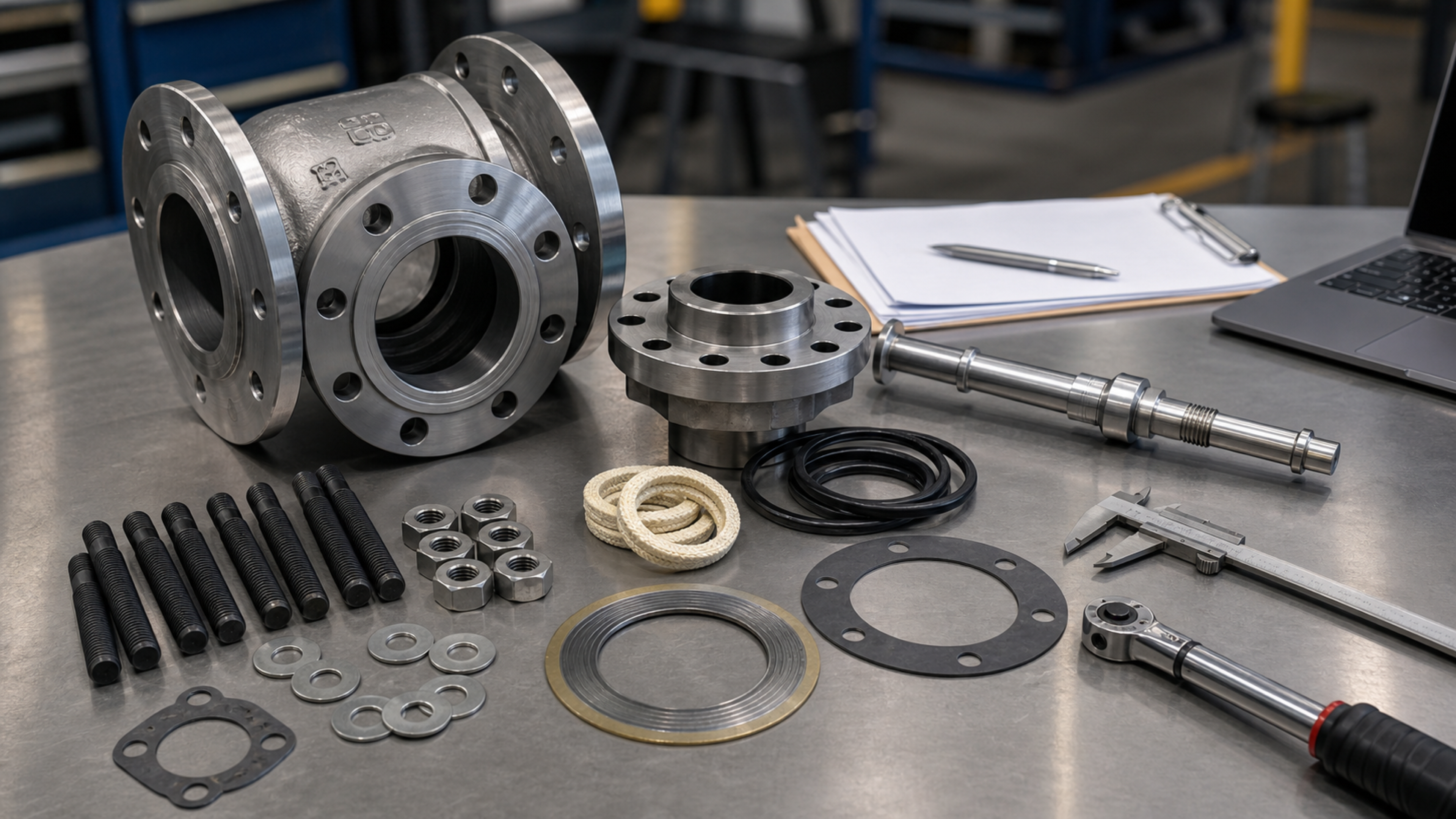
Valve repair kits can look like a small maintenance buy until the kit is missing the one seal, packing set, stem, gasket, or bolting detail needed to put a line back in service. The quote also gets harder when the request says only "repair kit" without naming the valve, trim, service conditions, or documentation requirements.
This checklist is built for maintenance buyers, valve shops, and PVF teams that need a cleaner RFQ for valve repair parts. It focuses on the information Westgate needs to quote domestic, documented, and practical alternates without slowing the job down with avoidable clarification loops.
Identify the valve before the kit
Start with the valve type, size, pressure class, end connection, body material, trim material, manufacturer, model, serial number, and tag number when available. A repair kit for a flanged gate valve, threaded ball valve, butterfly valve, check valve, control valve, or pressure relief valve follows a different sourcing path even when the nominal pipe size is the same.
If the valve is already removed from service, photos of the nameplate, body markings, stem, seat area, bonnet, and damaged parts can speed up the quote. If the valve is still installed, include the line service, outage date, and whether the repair is a planned rebuild, emergency replacement, or bench-stock replenishment item.
Break the kit into visible components
The word kit can hide too much. List the expected parts when possible: body gasket, bonnet gasket, stem packing, O-rings, seats, seals, stem, disc, wedge, ball, spring, diaphragm, studs, nuts, washers, gland hardware, grease fittings, or actuator mounting hardware.
When the exact kit contents are unknown, state what must be solved by the repair. For example, note whether the valve is leaking through the stem, leaking across the seat, missing bonnet hardware, failing hydrotest, or being rebuilt as a preventive maintenance spare. That lets the quote focus on function instead of guessing at a catalog kit number.
Tie gasket and packing material to service conditions
Gasket and packing material should follow the media, temperature, pressure, chemical exposure, flange face, and maintenance standard. Graphite, PTFE, elastomer, compressed fiber, spiral wound, rubber, and specialty materials are not interchangeable just because they fit the opening.
If the plant has an approved sealing material or manufacturer list, include it with the RFQ. If alternates are allowed, define the approval boundary up front: equal material only, domestic only, no change to temperature rating, customer approval required, or quote both stocked and fully documented options.
Do not let bolting become the late surprise
Valve repair kits often require more than soft goods. Bonnet studs, cap screws, gland nuts, washers, packing followers, yoke hardware, actuator bolts, and flange bolting may need to ship with the repair parts so the mechanic is not reusing damaged or mismatched hardware.
Quote bolting with diameter, thread pitch, length, grade, material, finish, and domestic requirement. If hot dipped galvanized, stainless, alloy, coated, or heat-traceable hardware is required, call that out with the same care used for the valve and gasket items.
Ask for documentation before award
Receiving and quality delays can matter as much as part availability. Name required documents in the first RFQ: COC, MTR, heat traceability, country of origin, pressure test records, coating certificates, manufacturer data sheets, or customer-specific quality paperwork.
A practical quote should distinguish stocked repair parts, domestic options, fully documented options, and substitutions that need review. That visibility helps purchasing choose speed, compliance, or a staged split without discovering the tradeoff after the purchase order is issued.
Separate outage work from recurring repair inventory
A valve leaking during an outage, a planned rebuild package, and a min-max repair shelf should not be sourced with the same assumptions. Mark the needed date, acceptable partial shipments, job number, ship-to location, and whether Westgate should quote a one-time kit, repeat replenishment item, or staged release.
For repeat valve maintenance, consider standardizing common gasket sets, packing sizes, studs, nuts, lubricants, tools, and adjacent PVF items. Westgate can quote the repair kit with the hardware, gasket, fastener, electrical, and tool items that maintenance needs on the same job.
RFQ checklist
- Valve type, size, pressure class, end connection, body material, and trim material
- Manufacturer, model, serial number, tag number, drawing, or prior PO
- Required kit components such as seats, seals, packing, gaskets, stem, or hardware
- Media, temperature, pressure, chemical exposure, and service environment
- Gasket, packing, O-ring, or seat material requirements
- Studs, nuts, washers, gland hardware, actuator hardware, and coating needs
- Domestic sourcing, approved manufacturer, or no-substitution rules
- COC, MTR, heat trace, country-of-origin, pressure test, or receiving paperwork
- Outage date, emergency priority, replenishment quantity, ship-to ZIP code, and partial shipment rules
Related Westgate resources
Send the valve details before the repair window tightens
Westgate can quote valve repair kits, packing, gasket sets, domestic fasteners, flange bolting, PVF parts, electrical supplies, tools, and related MRO items from one mixed RFQ. Send the nameplate photo, tag list, prior PO, drawing, or parts list and we will flag missing fields before sourcing begins.
Request a Quote